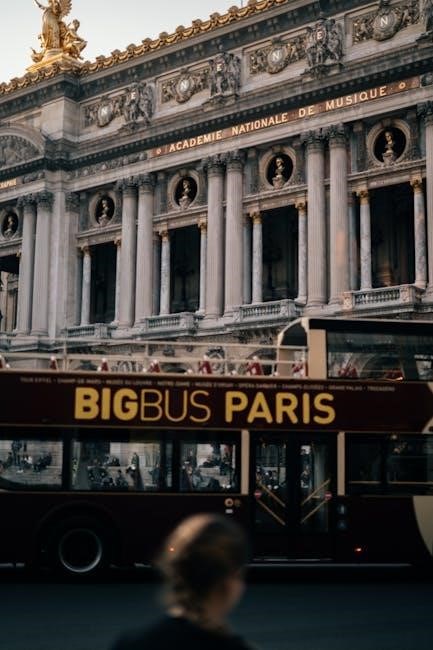
The Phantom of the Opera Novel PDF: A Comprehensive Guide (Updated 02/10/2026)
Gaston Leroux’s captivating novel, “The Phantom of the Opera,” frequently sought in PDF format, offers a thrilling tale. Accessing a digital copy allows readers to delve into the story easily.
Gaston Leroux’s The Phantom of the Opera, published in 1910, remains a cornerstone of gothic fiction and a timeless exploration of love, obsession, and societal alienation. This novel transcends its genre, captivating readers with its atmospheric setting, complex characters, and a hauntingly beautiful story. The narrative unfolds within the labyrinthine depths of the Palais Garnier, the opulent Paris Opera House, which becomes a character in itself, mirroring the hidden passions and dark secrets within.
Leroux masterfully blends elements of mystery, romance, and horror, creating a narrative that has resonated with audiences for over a century. The tale centers around Christine Daaé, a young soprano who becomes the object of the Phantom’s affections and musical tutelage. The Phantom, a disfigured musical genius known as Erik, haunts the opera house, manipulating events and demanding recognition for his talent. The novel’s enduring appeal lies in its exploration of the human condition, questioning notions of beauty, normalcy, and the price of artistic ambition.
Finding a PDF version allows modern readers convenient access to this literary classic, preserving Leroux’s original prose and allowing for immersive engagement with this enduring masterpiece. The enduring popularity has led to numerous adaptations, but the novel remains the definitive source of the Phantom’s legend.
II. Finding a “Phantom of the Opera” Novel PDF Online
Locating a “Phantom of the Opera” novel PDF online is surprisingly straightforward, yet requires caution. Numerous websites offer digital copies, ranging from legitimate online bookstores to less reputable sources. A simple web search using keywords like “Phantom of the Opera PDF download,” “Gaston Leroux PDF,” or “free novel PDF” will yield a plethora of results. However, not all sources are created equal.
Many websites claim to offer free downloads, but these often harbor malware, viruses, or lead to phishing scams. It’s crucial to prioritize safety and legality when seeking a PDF. Before downloading from any unfamiliar site, verify its reputation through online reviews and security checks. Look for secure HTTPS connections and avoid sites requesting excessive personal information.
Alternatively, explore digital libraries and online bookstores that offer legally obtained PDF versions for purchase or free download. Project Gutenberg, for example, provides access to classic literature, including Leroux’s work, in various digital formats. Remember, supporting authors and publishers by obtaining novels through legitimate channels ensures continued access to literary treasures.
III. Legitimate Sources for PDF Downloads

Several reputable platforms offer legal and safe access to the “Phantom of the Opera” novel PDF. Project Gutenberg stands out as a prime resource, providing a free, downloadable PDF version of Gaston Leroux’s masterpiece, ensuring compliance with copyright laws. This is a reliable option for classic literature enthusiasts.

Google Books also features a digital copy, often available for preview or purchase as a PDF. While a full download might require a fee, it guarantees a legitimate and high-quality version. Major online bookstores like Amazon Kindle Store, Barnes & Noble, and Kobo consistently offer the novel in PDF or e-book formats for purchase, supporting the author’s work.
Furthermore, some public libraries offer digital lending services, allowing you to borrow the PDF version through platforms like OverDrive or Libby. These resources provide a secure and legal way to enjoy the story without the risks associated with unofficial websites. Always prioritize these trusted sources for a worry-free reading experience.
IV. Risks of Downloading from Unofficial Websites
Downloading the “Phantom of the Opera” novel PDF from unofficial websites carries significant risks. These sites often host malware, viruses, and spyware disguised as legitimate files, potentially compromising your device and personal data. Cybersecurity threats are prevalent, and clicking on malicious links can lead to identity theft or financial loss.
Furthermore, many unofficial downloads infringe on copyright laws, making the act of downloading illegal. Supporting these sites encourages intellectual property theft and undermines authors’ rights. The quality of the PDF itself is often poor, riddled with errors, formatting issues, or incomplete content, diminishing the reading experience.
These websites frequently employ deceptive advertising and pop-up scams, further jeopardizing your online safety. It’s crucial to avoid sites promising “free” PDF downloads that seem too good to be true. Prioritize legitimate sources to protect your digital wellbeing and ensure a safe, legal, and enjoyable reading experience of this classic novel.
V. Understanding the Historical Context of the Novel
Gaston Leroux’s “The Phantom of the Opera,” published in 1910, is deeply rooted in 19th-century Parisian society and culture; Understanding this historical backdrop enriches the reading experience of the novel PDF. The story reflects the era’s fascination with the macabre, the mysterious, and the burgeoning world of opera and theatre.
Paris during this period was undergoing significant urban transformation, with grand boulevards and iconic structures like the Palais Garnier – the real-life inspiration for the Opera in the novel – symbolizing progress and societal change. However, beneath the surface of opulence lay a darker underbelly of poverty, social inequality, and hidden secrets.
Leroux, a journalist, drew upon real events and urban legends surrounding the Opera Garnier, including tales of a “phantom” figure lurking in its depths. The novel captures the anxieties and romantic ideals of the Belle Époque, offering a glimpse into a captivating and complex historical moment. Exploring this context enhances appreciation for the story’s themes and characters.
VI. The Paris Opera House as a Setting
The Palais Garnier, the Paris Opera House, isn’t merely a backdrop in Leroux’s novel; it’s a central character. Its opulent architecture, labyrinthine passages, and hidden spaces are integral to the story, particularly when exploring a PDF version of “The Phantom of the Opera.” The Opera embodies the grandeur and societal complexities of 19th-century Paris.
Leroux meticulously describes the Opera’s various levels – from the glittering auditorium and elegant foyers to the dark, subterranean lake and forgotten cellars. These hidden areas become the Phantom’s domain, reflecting his isolation and mysterious nature. The building’s design, intended to showcase French artistic prowess, ironically provides the perfect environment for secrecy and intrigue.
The Opera symbolizes both artistic brilliance and societal pretense. Its performances represent the public face of Parisian culture, while its hidden depths reveal a darker, more unsettling reality. Reading the novel PDF allows readers to visualize this iconic location and understand its profound influence on the narrative and characters.
VII. 19th-Century Parisian Society Depicted in the Novel
Leroux’s “The Phantom of the Opera,” readily available as a PDF, offers a vivid portrayal of 19th-century Parisian society. The novel meticulously details the rigid social hierarchy, the importance of patronage, and the obsession with appearances that characterized the era. The Opera House itself served as a microcosm of this society, attracting individuals from all social strata.

The story highlights the distinctions between the aristocracy, the burgeoning middle class, and the working class. Characters like Raoul de Chagny represent the established nobility, while Christine Daaé’s journey reflects the aspirations of those seeking social advancement. The Phantom, existing outside societal norms, embodies the anxieties and prejudices of the time.
Reading a PDF version allows for close examination of Leroux’s social commentary. He critiques the superficiality and snobbery prevalent in Parisian high society, while also exploring themes of class, ambition, and the pursuit of artistic recognition. The novel provides a fascinating glimpse into a bygone era, enriching the reading experience.
VIII. Key Characters in “The Phantom of the Opera”
Exploring “The Phantom of the Opera” – easily accessible as a PDF – necessitates understanding its core characters. The novel revolves around Christine Daaé, a talented soprano caught between two worlds, and Erik, the enigmatic Phantom haunting the Opera House. Raoul de Chagny, the Viscount, represents Christine’s childhood friend and romantic rival to Erik.
A PDF version allows for detailed character analysis. Erik, a musical genius disfigured at birth, embodies both villainy and vulnerability. His motivations, revealed throughout the story, stem from isolation and a desperate longing for acceptance. Christine’s character arc showcases her transformation from a naive chorus girl to a woman grappling with difficult choices.

Raoul, initially presented as a charming aristocrat, demonstrates courage and devotion. Supporting characters, like Madame Giry and Carlotta, add depth to the Parisian Opera’s world. Downloading the novel in PDF format facilitates a comprehensive understanding of these complex individuals and their interconnected relationships.
IX. Erik: The Phantom’s Backstory and Motivation
Delving into Gaston Leroux’s “The Phantom of the Opera” – readily available as a PDF – reveals the tragic origins of Erik, the titular Phantom. The novel unveils a heartbreaking backstory of abandonment and societal rejection, shaping his isolated existence within the Opera House’s labyrinthine depths.
A PDF copy allows for close examination of Erik’s motivations. Born with a disfiguring birth defect, he was ostracized and forced to live as a hidden outcast. This fueled a profound sense of loneliness and a desperate yearning for recognition, particularly through his musical genius. His obsession with Christine Daaé stems from her perceived purity and potential to understand his artistry.
Erik’s actions, though often terrifying, are driven by a desire for love and acceptance. The story, accessible in PDF format, portrays him not merely as a villain, but as a complex character consumed by pain and longing. Understanding his past is crucial to comprehending his erratic behavior and ultimately, his tragic fate.
X. Christine Daaé: The Opera Singer and Her Dilemma
Christine Daaé, the captivating soprano at the heart of Gaston Leroux’s “The Phantom of the Opera,” faces a harrowing dilemma, vividly portrayed in the novel – easily accessible as a PDF download. She is torn between her burgeoning love for the charming Viscount Raoul de Chagny and the mysterious, manipulative influence of her “Angel of Music,” the Phantom, Erik.
A PDF version of the story allows readers to trace Christine’s emotional journey. Initially, she believes Erik to be a divine messenger sent to nurture her talent. However, as his obsession intensifies, she realizes the darkness lurking beneath his tutelage. Her fear is compounded by the Phantom’s increasingly desperate and dangerous demands.
Christine’s internal conflict – loyalty versus self-preservation, artistic ambition versus genuine affection – forms a central thread of the narrative. The novel, in PDF form, showcases her courage as she navigates this treacherous situation, ultimately making a difficult choice that determines not only her fate but Erik’s as well.
XI. Raoul de Chagny: The Viscount and Romantic Rival
Raoul de Chagny, the handsome and honorable Viscount, serves as Christine Daaé’s primary romantic interest and a crucial figure in Gaston Leroux’s “The Phantom of the Opera.” A PDF copy of the novel allows readers to fully appreciate his character arc and his desperate attempts to protect Christine from the Phantom’s grasp.
Raoul represents stability, societal acceptance, and conventional love – a stark contrast to the Phantom’s shadowy, obsessive affection. He is a man of action, determined to unravel the mystery surrounding Christine’s “Angel of Music” and confront the terror gripping the Opera House. The PDF format enables a close examination of his bravery and unwavering devotion.
His rivalry with the Phantom isn’t merely romantic; it’s a clash between light and darkness, normalcy and madness. Raoul’s pursuit of Christine, detailed within the novel’s PDF pages, highlights his aristocratic background and his willingness to risk everything for the woman he loves, ultimately leading to a dramatic confrontation.
XII. Exploring the Novel’s Themes
Gaston Leroux’s “The Phantom of the Opera,” readily available as a PDF, delves into complex and enduring themes that resonate with readers even today. A digital copy facilitates a deeper exploration of these intricate concepts, allowing for detailed analysis and annotation.
Central to the novel is the theme of duality – the contrast between appearance and reality, sanity and madness, beauty and deformity. The Phantom himself embodies this duality, a genius hidden behind a terrifying facade. Accessing the PDF allows for tracing these thematic threads throughout the narrative.
Furthermore, the novel explores the destructive power of obsession, isolation, and unrequited love. The Phantom’s desperate longing for Christine, vividly portrayed in the PDF version, demonstrates the tragic consequences of unchecked passion. The story also examines the societal prejudices and the marginalization of those deemed “different,” prompting reflection on empathy and acceptance.
XIII. The Power of Music and Art
Within the pages of Gaston Leroux’s “The Phantom of the Opera,” easily accessible as a PDF, music and art are not merely aesthetic elements, but potent forces shaping characters and driving the plot. The novel emphasizes their transformative power, capable of both elevating and destroying.
Christine Daaé’s vocal talent, nurtured by the Phantom, represents the potential for artistic brilliance. The PDF allows readers to closely examine how music becomes a conduit for the Phantom’s influence and a symbol of Christine’s internal conflict. The Opera itself serves as a microcosm of Parisian society, where artistic expression is intertwined with social status and ambition.
Leroux portrays music as a language transcending physical appearance and societal barriers. The Phantom, despite his disfigurement, communicates through his compositions, revealing a hidden depth of emotion. Studying the novel in PDF format allows for repeated readings, uncovering layers of symbolism within the musical references and artistic descriptions.
XIV. Obsession, Isolation, and Loneliness
A readily available PDF of Gaston Leroux’s “The Phantom of the Opera” reveals a profound exploration of obsession, isolation, and the crushing weight of loneliness. These themes are central to understanding the Phantom’s character and motivations.
Erik, the Phantom, embodies the consequences of prolonged isolation. His disfigurement and subsequent rejection by society lead to a life lived in the shadows, fueling an all-consuming obsession with Christine Daaé. The novel, easily studied in PDF form, details how this obsession warps his perception of reality and drives his desperate attempts to control her life.
Christine, too, experiences a form of isolation, torn between her affection for Raoul and the Phantom’s manipulative influence. The PDF allows readers to trace her emotional journey as she grapples with fear, pity, and a strange fascination with her mysterious teacher. Leroux masterfully portrays how loneliness can make individuals vulnerable to manipulation and destructive relationships, making the story a timeless exploration of the human condition.
XV. Appearance vs. Reality
A PDF version of Gaston Leroux’s “The Phantom of the Opera” powerfully illustrates the deceptive nature of appearances and the stark contrast between perception and reality. The novel consistently challenges readers to look beyond the surface and question their assumptions.
The Phantom himself is the most striking example of this theme. His grotesque physical appearance hides a brilliant musical mind and a deeply wounded soul. The PDF format allows for close examination of how Leroux uses descriptions to initially evoke fear and revulsion, only to gradually reveal the Phantom’s complex inner world.
Similarly, the opulent grandeur of the Paris Opera House conceals a dark underbelly – a labyrinth of secret passages and a history of scandal. The story, readily accessible in PDF, demonstrates that beauty and sophistication can mask hidden truths and dangerous secrets. Leroux suggests that societal facades often conceal darker realities, urging readers to critically examine the world around them and not to judge solely on outward appearances.
XVI. Plot Summary: A Detailed Overview
A PDF of Gaston Leroux’s “The Phantom of the Opera” unveils a captivating narrative centered around the mysterious Phantom haunting the Paris Opera House. The story begins with unsettling events – unexplained accidents and a ghostly presence – terrifying the opera company.
Young soprano Christine Daaé believes she is guided by a “Angel of Music,” unaware it’s actually the Phantom, Erik, a disfigured musical genius. He tutors her, demanding recognition and affection. The novel’s plot thickens as Christine’s childhood friend, Raoul de Chagny, becomes romantically involved with her, creating a dangerous rivalry with the Phantom.
The Phantom’s demands escalate, leading to acts of sabotage and terror. A key element, easily followed within a PDF version, is the exploration of the Opera’s hidden underground labyrinth, where the Phantom resides. The climax involves a desperate rescue attempt and a confrontation that reveals the Phantom’s tragic backstory and ultimately, his fate. The PDF allows readers to trace the intricate plot twists and turns with ease.
XVII. The Early Stages: Christine’s Mysterious Teacher

A PDF of “The Phantom of the Opera” reveals the crucial early development of Christine Daaé’s musical talent, guided by a mysterious “Angel of Music.” Initially, she believes this teacher is a divine gift from her deceased father, a renowned violinist.
However, the novel quickly establishes this Angel as a shadowy figure, communicating with Christine through whispers and unseen lessons. This section, readily accessible in a PDF format, details how Erik, the Phantom, secretly tutors Christine, rapidly improving her vocal abilities. He demands absolute obedience and devotion, fostering a complex and unsettling relationship.
The story emphasizes the Phantom’s manipulative control, exploiting Christine’s vulnerability and ambition. Readers following the PDF can observe how this early mentorship lays the foundation for the Phantom’s obsession and the escalating drama within the Paris Opera House. The PDF allows for close examination of the psychological dynamics at play during these formative stages.

XVIII. The Phantom’s Demands and Escalating Terror
A PDF version of Leroux’s novel vividly portrays the Phantom’s increasingly audacious demands upon the Opera management. Initially, these requests seem minor – a specific box for Christine, certain singers dismissed. However, they quickly escalate into threats and acts of sabotage, detailed within the story’s pages.
The Phantom of the Opera, as presented in the PDF, utilizes intimidation and fear to control the Opera Populaire. Accidents occur, stagehands are injured, and a general atmosphere of terror descends. He communicates through written notes, demanding respect and obedience, and threatening dire consequences for disobedience.

Readers accessing the PDF will note how the Phantom’s actions are designed to isolate Christine and draw her closer to him. The escalating terror serves as a backdrop for the central conflict, highlighting the Phantom’s desperation and Christine’s growing dilemma. The novel’s suspense is fully realized through these chilling events, easily followed in a digital PDF format.
XIX. The Underground Labyrinth and the Phantom’s Lair
The Phantom of the Opera novel, readily available in PDF format, dedicates significant detail to the labyrinthine network beneath the Opera Populaire. This subterranean world, a complex system of tunnels and cellars, becomes central to the story’s mystery and suspense.
A PDF reader will discover descriptions of the Phantom’s lair – a surprisingly furnished and decorated space hidden deep within the Opera’s foundations. It’s a stark contrast to the opulent world above, reflecting the Phantom’s isolated existence and twisted genius. The lair is described as both terrifying and strangely beautiful.
The novel’s exploration of this underground realm, easily accessible through a digital PDF copy, emphasizes the Phantom’s control over his environment and his detachment from society. The labyrinth serves as a physical manifestation of his hidden nature and a dangerous trap for those who dare to venture within. The detailed descriptions enhance the story’s atmosphere of dread and intrigue.
XX. Adaptations of “The Phantom of the Opera”
Gaston Leroux’s “The Phantom of the Opera,” often found as a convenient PDF download, has inspired numerous adaptations across various media. These reinterpretations demonstrate the novel’s enduring appeal and adaptability.
The most famous adaptation is undoubtedly the long-running Broadway musical. A PDF version of the novel allows readers to compare the source material with the stage production, noting changes in plot and characterization. The musical dramatically expanded the romantic elements and musical numbers;
Several film adaptations exist, each offering a unique vision of the story. Accessing the original novel in PDF format provides context for understanding the choices made by filmmakers. These films range from classic horror interpretations to more modern, visually spectacular versions. The story’s core themes of obsession and isolation remain consistent across these adaptations, though their emphasis varies.
Exploring these adaptations alongside the original PDF text enriches the reader’s appreciation for Leroux’s masterpiece and its lasting cultural impact.
XXI. From Novel to Stage: The History of the Musical
The journey from Gaston Leroux’s “The Phantom of the Opera” novel – readily available as a PDF – to the iconic Broadway musical is a fascinating one. While the novel laid the groundwork, the musical dramatically reshaped the story for a new audience.

Early stage adaptations existed before Andrew Lloyd Webber’s version, but none achieved lasting success. Webber, inspired by a PDF copy of the novel and a previous concept album, collaborated with lyricist Charles Hart and producer Cameron Mackintosh. Their vision focused on the romantic triangle and amplified the musical elements.
The musical premiered in 1986 and quickly became a global phenomenon. Its lavish sets, memorable score, and dramatic staging captivated audiences. A PDF of the novel reveals how the musical expanded upon certain characters and relationships, particularly the connection between Christine and the Phantom.
The musical’s success cemented “The Phantom of the Opera” as a cultural touchstone, introducing the story to generations unfamiliar with the original novel. It remains the longest-running show in Broadway history.

XXII. Film Adaptations and Their Interpretations
Numerous film adaptations of Gaston Leroux’s “The Phantom of the Opera” – often explored initially through a PDF version of the novel – offer diverse interpretations of the classic tale. Each adaptation brings a unique lens to the story, emphasizing different themes and character dynamics.
Early silent film versions, like the 1925 Lon Chaney Sr. masterpiece, prioritized the Phantom’s terrifying appearance. Later adaptations, including the 2004 film starring Gerard Butler and Emmy Rossum, leaned into the romantic aspects, drawing heavily from the musical’s aesthetic. Studying the novel’s PDF reveals nuances often lost in these adaptations;
These films often grapple with the balance between horror and romance, and the portrayal of Erik’s motivations. Some emphasize his tragic backstory, while others focus on his obsessive nature. Accessing the original novel in PDF format allows for a direct comparison to these cinematic interpretations.
Each film adaptation serves as a testament to the enduring appeal of Leroux’s story, continually reimagined for new audiences, yet always rooted in the haunting world first detailed within the pages of the novel.