
Low sodium dining out PDF offers clear guidance for choosing restaurants, reading menus, and communicating preferences. It draws on 2010 Dietitians of Canada standards, DASH plan tips, and the STOPLIGHT guide to help diners reduce sodium while enjoying meals. Readers can use apps for time sodium daily tracking.
Purpose and Scope of the PDF Guide
The Low Sodium Dining Out PDF is a practical, evidence‑based resource designed to empower individuals with hypertension, cardiovascular risk, or sodium sensitivity to navigate the restaurant landscape safely. Its primary purpose is to provide a concise, step‑by‑step framework that aligns with the 2010 Dietitians of Canada recommendations, the DASH (Dietary Approaches to Stop Hypertension) eating plan, and the STOPLIGHT Restaurant Guide’s color‑coded system for healthy choices. The guide is structured to address three core objectives:
- Education: Clarify key terminology such as “sodium content,” “salt equivalents,” and “low‑sodium preparation” so readers can interpret menu labels and communicate effectively with staff.
- Practicality: Offer actionable strategies for selecting restaurants that prioritize fresh whole foods, accessing nutritional information, and customizing dishes to meet sodium limits.
- Accessibility: Include links to online databases and mobile applications that track sodium intake, enabling users to monitor daily consumption in real time.
By integrating these elements, the PDF serves as a comprehensive tool that supports informed decision‑making, promotes cardiovascular health, and encourages sustainable dietary habits in social dining contexts.
Scope extends beyond basic menu reading; it includes guidance on interpreting nutrition labels, estimating sodium content in composite dishes, and leveraging technology such as barcode scanners and smartphone apps to verify daily intake. The PDF also offers sample scripts for staff interactions, tips for handling sauces and dressings, and a checklist for verifying low‑sodium compliance before ordering.
Included are sample scripts for staff interactions, a low‑sodium compliance checklist, and a quick reference table of common high‑sodium ingredients to avoid. The guide also highlights how to request sauces on the side, ask for no added salt, and confirm that cooking methods do not involve excessive salt or sodium‑rich seasonings.

The PDF also encourages users to keep a personal sodium log and to review their daily totals and now!
Key Definitions and Terminology
Low sodium dining out PDF defines essential terms to ensure clarity when navigating menus and communicating with restaurant staff; Sodium refers to the elemental salt (NaCl) that contributes to flavor and preservation; salt equivalents translate sodium content into common table salt amounts. Low‑sodium preparation means cooking methods that limit added salt or sodium‑rich ingredients, often achieved by using herbs, citrus, or low‑sodium sauces. Fresh whole foods are minimally processed items such as fruits, vegetables, lean proteins, and whole grains that naturally contain less sodium. DASH eating plan is a dietary framework endorsed by the U.S. government that emphasizes low sodium, high potassium, and balanced nutrients. STOPLIGHT guide uses color coding (green, yellow, red) to rate menu items based on sodium, fat, and calorie content. Nutrition label provides daily value percentages, allowing diners to compare sodium levels across dishes. Menu item may include hidden sodium from sauces, gravies, or pre‑seasoned components, so it is critical to ask about ingredients. Special request indicates a diner’s desire for a dish prepared with reduced sodium, often requiring staff to confirm no added salt or high‑sodium condiments. Understanding these terms empowers consumers to make informed choices and maintain a heart‑healthy diet while dining out. Many venues now provide sodium‑free alternatives.
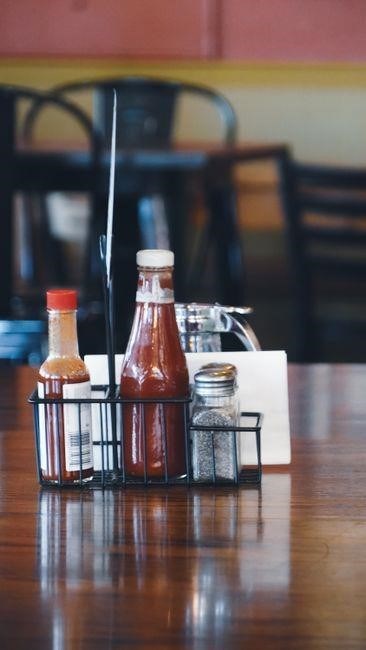
Practical Guidelines for Choosing Restaurants
Select eateries that showcase fresh whole foods, offer low‑sodium options, and accommodate special requests. Verify menu nutrition data, look for DASH‑friendly items, and use the STOPLIGHT guide to pick green or yellow choices. Communicate clearly to staff about sodium limits. Use color codes to stay within limits day

Selecting Establishments Offering Fresh Whole Foods
When planning a low‑sodium outing, prioritize venues that emphasize fresh, minimally processed ingredients. Look for menus featuring seasonal produce, lean proteins, and whole grains—hallmarks of the 2010 Dietitians of Canada guidelines. Restaurants that highlight “farm‑to‑table” or “locally sourced” labels often provide the cleanest sodium profiles.
Use the DASH Eating Plan as a benchmark: aim for dishes that naturally contain potassium, magnesium, and calcium, which help counterbalance sodium intake. Many establishments now offer DASH‑approved options; check for green or yellow icons in the STOPLIGHT Restaurant Guide, indicating low‑sodium suitability.
Before ordering, review the online menu or ask the server for nutrition facts. If the restaurant publishes sodium content per serving, you can compare items quickly. When in doubt, request that sauces, dressings, and broths be omitted or reduced, and ask for a “low‑sodium” preparation. Staff trained in dietary restrictions will often accommodate such requests without compromising flavor.
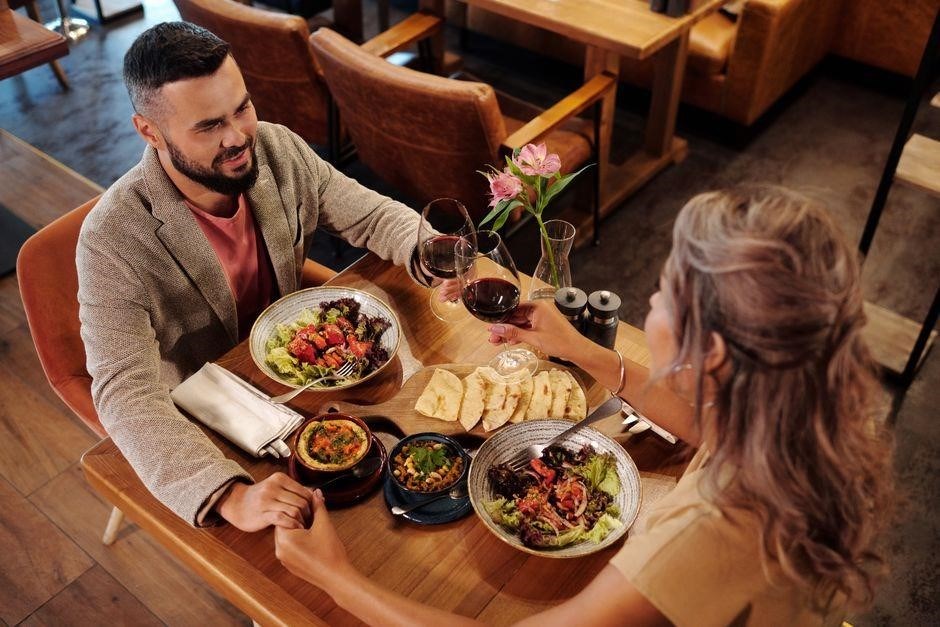
Finally, consider the overall dining experience: a calm, attentive service environment encourages clear communication and reduces the chance of accidental high‑sodium additions. By combining menu research, DASH principles, and the STOPLIGHT guide, you can confidently choose establishments that support a heart‑healthy, low‑sodium lifestyle.
Look for certification logos such as USDA Organic, Non‑GMO Project Verified, or Certified Gluten‑Free. These marks often correlate with lower sodium processing, as manufacturers avoid excessive salt to meet strict standards. When a restaurant displays such logos, it signals a commitment to ingredient transparency and healthier cooking practices. Ask staff about seasoning and salt.
Utilizing Restaurant Menus with Nutritional Information

Modern diners have access to a wealth of nutritional data directly on restaurant websites, mobile apps, and in‑store displays. The 2010 Dietitians of Canada publication recommends that consumers review sodium content before ordering. Many chains now provide a dedicated “Nutrition” section that lists calories, sodium, fat, and carbohydrate amounts per serving. By comparing these values, you can quickly identify which dishes fall within the DASH Eating Plan’s sodium limits—typically 1,500 to 2,300 milligrams per day for most adults.
When a menu lacks explicit numbers, look for visual cues from the STOPLIGHT Restaurant Guide. Green icons signal low‑sodium options, yellow indicates moderate levels, and red warns of high sodium. These simple color codes allow you to filter choices parsing raw data. If the guide is unavailable, ask the server for the most recent nutrition sheet; many establishments now print a “Low‑Sodium Menu” or offer a QR code that links to a digital spreadsheet.
For a deeper dive, use online databases such as the USDA FoodData Central or the Open Food Facts API. Input the dish name or ingredient list to retrieve sodium values. Cross‑refer these figures with the restaurant’s posted numbers to spot discrepancies or confirm accuracy. This practice is especially useful for specialty restaurants that may prepare items in‑house, where sodium can vary from batch to batch.
Finally, keep a personal log of sodium intake using a mobile app like MyFitnessPal or a simple spreadsheet. Record the dish, portion size, and sodium amount. Over time, this data will reveal patterns and help you refine your choices. By combining menu research, STOPLIGHT guidance, and personal tracking, you can confidently navigate a navigate dining experience while staying within your low‑sodium goals!

Communicating Special Requests for Low Sodium Preparation
To ensure a low‑sodium dining experience, start by informing the server of your dietary needs as soon as you are seated. A clear statement such as, “I’m following a low‑sodium diet and would like the dish prepared without added salt or high‑sodium sauces,” helps the kitchen staff understand your needs and adjust seasoning accordingly.
Next, ask the server if the menu offers a “Low‑Sodium” or “DASH‑Friendly” option. If the restaurant lists a specific dish, request that it be prepared “plain” or “lightly seasoned.” For example, a grilled chicken breast can be cooked without a salt‑and‑pepper rub, and a pasta dish can be served with a drizzle of olive oil instead of a creamy sauce.
To avoid hidden sodium, inquire about ingredients like broth, canned tomatoes, or pre‑made sauces. If these are present, ask the chef to replace them with fresh, low‑sodium alternatives or to halve the portion. Many restaurants now provide a “Low‑Sodium” label on menu items, which can serve as a quick reference for diners.
After the meal, confirm that the dish was prepared as requested. If you notice any excess salt, politely let the server know so they can adjust future orders. Consistency in communication helps restaurants refine their low‑sodium offerings and supports your long‑term dietary goals. Additionally, restaurants now offer a low‑sodium that can be sprinkled on top.
Consider bringing a small card or note that lists your sodium limit and a brief statement of your request. This visual cue can be especially helpful in fast‑service settings where verbal communication may be rushed. The card should read: “Low‑sodium diet – no added salt or high‑sodium sauces.”

Menu Navigation and Ordering Strategies
Use menu guides like STOPLIGHT to spot low‑sodium options. Look for DASH‑approved items, marked “Low‑Sodium.” Ask for sauces on the side, choose grilled or steamed proteins, and request no added salt. Keep a sodium tracker app handy for post‑meal review. Remember to ask for no salt added and to use herbs for flavor today Now
Identifying Low-Sodium Menu Items
When you sit down at a restaurant, the first step in staying within a low‑sodium diet is to scan the menu for clear indicators of reduced salt content. Many establishments now label dishes that meet DASH (Dietary Approaches to Stop Hypertension) criteria, often with a green icon or a “Low‑Sodium” tag. The STOPLIGHT Restaurant Guide also provides a color‑coded system: green items are low in sodium, yellow items are moderate, and red items are high. Look for these color cues or symbols before ordering. In addition, many menus list the sodium content in milligrams next to each dish; aim for items that contain less than 140 mg per serving, which aligns with the 2010 Dietitians of Canada recommendations for daily sodium intake. If the menu does not display sodium values, ask the server for the most recent nutritional information or request a menu that includes sodium totals. Finally, consider the cooking method: grilled, baked, or steamed foods typically contain less sodium than fried or sautéed options. By combining visual cues, explicit sodium listings, and cooking method clues, you can quickly pinpoint menu items that fit a low‑sodium lifestyle while still enjoying a flavorful dining experience. Additionally, many restaurants offer a “salt‑free” option, where the chef prepares the dish without added salt or salt substitutes. When you see a dish labeled “salt‑free” or “no added salt,” it is usually safe for a low‑sodium plan. Some chains provide a downloadable PDF of their entire menu with nutritional data, which can be reviewed ahead of time. If you are unsure, ask the chef directly about the sodium content of a dish, as they can often estimate or provide a range. Remember that condiments such as soy sauce, ketchup, and salad dressings are high in sodium; request them on the side or ask for a low‑sodium version. Also, be mindful of hidden sodium in processed meats, cheeses, and canned soups; opt for fresh or low‑sodium alternatives when possible. Finally, keep a small notebook or use a mobile app to log each meal’s sodium content, helping you stay within your daily limit and adjust future choices. To further simplify, many restaurants now provide QR codes that link to detailed nutritional information. Scan the code with your phone to view the exact sodium content before making a decision. If you prefer, you can also request a handwritten note from the server indicating the sodium level, which is helpful for quick reference. When ordering, consider pairing low‑sodium proteins with fresh vegetables or whole grains, which naturally have lower sodium content. Avoid dishes that include broth, stock, or bouillon cubes, as these are common hidden sodium sources. Finally, practice mindful eating by savoring each bite, which can reduce the urge to add extra salt at the table. By staying informed and proactive, you can confidently choose menu items that support a low‑sodium diet without compromising taste or satisfaction.
Modifying Standard Dishes for Reduced Sodium
When you order a classic menu item, the key to lowering sodium is to request simple adjustments that keep flavor while cutting salt. First, ask the chef to prepare the dish “no added salt” or “salt‑free.” Many kitchens can accommodate this by using fresh herbs, citrus, or vinegar for seasoning instead of table salt or bouillon. Second, request that sauces, gravies, or dressings be served on the side; this allows you to control portion size and avoid excess sodium hidden in these condiments. Third, choose cooking methods that naturally preserve moisture without salt—grilling, steaming, or baking—rather than frying or pan‑sautéing, which often require added salt for flavor. Fourth, opt for fresh or frozen vegetables over canned or processed varieties; the latter typically contain high sodium levels. Fifth, if the dish includes a protein such as steak or chicken, ask for it to be “plain” or “seasoned with herbs only.” Many restaurants can provide a “low‑sodium” version of a standard entrée by reducing or eliminating the use of sodium‑rich ingredients like soy sauce, Worcestershire sauce, or pre‑made spice blends. Finally, consider swapping a high‑sodium side like mashed potatoes with a fresh salad or steamed greens, and ask for dressing on the side. By applying these simple modifications, you can enjoy familiar favorites while staying within the 2010 Dietitians of Canada sodium guidelines and the DASH plan recommendations for a heart‑healthy diet. Additionally, many establishments offer a “salt‑free” option, where the chef prepares the dish without added salt or salt substitutes. If you prefer, you can ask for the server indicating the sodium level, which is helpful!?
Leveraging DASH Eating Plan Recommendations
In the Low Sodium Dining Out PDF, the DASH (Dietary Approaches to Stop Hypertension) framework is a cornerstone for reducing sodium intake while maintaining palatable meals; DASH recommends limiting sodium to 2,300 mg per day, with an ideal target of 1,500 mg for most adults. When dining out, apply DASH principles by selecting dishes that emphasize fresh fruits, vegetables, whole grains, and lean proteins. Ask for “low‑sodium” or “no added salt” preparation, and request that sauces, gravies, and dressings be served on the side so you can control portions. Opt for grilled, baked, or steamed proteins rather than fried or pan‑sautéed items, which often require extra salt for flavor. Substitute high‑sodium condiments like soy sauce or ketchup with fresh herbs, citrus zest, or a splash of vinegar to enhance taste without sodium. When ordering a salad, choose a vinaigrette made with olive oil and lemon juice, and avoid creamy dressings that are typically high in sodium. Incorporate whole‑grain sides such as quinoa or brown rice, and request fresh or steamed vegetables instead of canned varieties. DASH also encourages limiting processed foods; therefore, steer clear of items like deli meats, canned soups, or packaged snacks. Use the STOPLIGHT Restaurant Guide to identify green, yellow, or red choices, and aim for green items that align with DASH’s low‑sodium criteria. Finally, keep a running tally of sodium intake using a mobile app or online database linked to the PDF, ensuring you stay within the recommended daily limit while enjoying diverse cuisines. By consistently applying these DASH strategies, diners can confidently reduce sodium exposure and support cardiovascular health.
When ordering pasta, ask for a tomato‑based sauce without added salt and extra basil. For steak, choose a lean cut seasoned with pepper only. Many restaurants offer a “DASH‑friendly” option; look for it on the menu or ask the server. The PDF includes a printable checklist to track sodium per item, keeping you within the 2,300 mg daily limit and supporting heart health. Enjoy responsibly, stay mindful!
Supplementary Resources and Tools
The PDF references the STOPLIGHT Restaurant Guide, the U.S. DASH Eating Plan, and online sodium trackers. Users can download the guide, use mobile apps like MyFitnessPal, and consult the Canadian Dietitians’ low‑sodium guidelines for restaurant choices. The PDF also links to NIH’s sodium database for menu details online.
STOPLIGHT Restaurant Guide to Healthy Choices
The STOPLIGHT system, created by the American Heart Association, assigns green, yellow, or red labels to menu items based on sodium, fat, and calorie thresholds. Green items contain less than 140 mg sodium per serving, under 5 g total fat, and fewer than 200 kcal. Yellow items fall between 140–280 mg sodium, 5–10 g fat, and 200–400 kcal. Red items exceed these limits. Restaurants that join the program display STOPLIGHT stickers on printed menus and digital screens, making it simple for diners to spot heart‑healthy choices at a glance. The guide is available as a downloadable PDF, a web portal, and a mobile app that lets users scan QR codes on tables for instant labeling. Users can also rate items, providing feedback that helps restaurants adjust recipes and portion sizes. The STOPLIGHT approach encourages the use of herbs, spices, and citrus to flavor food without added salt, supporting lower sodium intake while maintaining taste. By following STOPLIGHT, diners can reduce daily sodium consumption, lower blood pressure risk, and support overall cardiovascular health. The system also promotes transparency, allowing health professionals to recommend specific restaurants to patients with hypertension or kidney disease. Participation is voluntary, but many chains and independent eateries have adopted the labeling to attract health‑conscious customers. The color key is eas to read at a glance now. Users can view nutrition facts for each dish onlin.
Accessing Online Databases and Mobile Apps for Sodium Tracking
Low sodium dining out PDF recommends using dedicated online databases and mobile applications to monitor sodium intake while eating out. The USDA FoodData Central offers searchable nutrition data for thousands of restaurant dishes, allowing users to compare sodium levels before ordering. Apps such as MyFitnessPal, Cronometer, and Fooducate provide barcode scanning and menu lookup features, automatically logging sodium, calories, and other nutrients. Many restaurants now integrate QR‑code menus that link directly to the app’s database, ensuring real‑time accuracy. The DASH eating plan app includes a built‑in sodium tracker that sets a daily limit of 2300 mg for general adults and 1500 mg for those with hypertension. Users can set alerts when approaching the limit, prompting them to choose lower‑sodium options or request modifications. The STOPLIGHT Restaurant Guide app overlays green, yellow, and red labels on menu items, simplifying decision making. For patients with kidney disease, the Kidney Diet Tracker app offers a stricter 2000 mg sodium cap and suggests suitable substitutions. By combining these tools, diners can maintain consistent sodium monitoring, share data with healthcare providers, and adjust habits over time. Consistent use of these resources supports long‑term blood pressure control and overall cardiovascular health. Additionally, the MyPlate app offers a community feature where users can post low‑sodium recipes and restaurant reviews, fostering peer support. The Food Processor Pro database provides detailed ingredient breakdowns, enabling users to identify hidden sodium sources such as monosodium glutamate or sodium bicarbonate. By cross‑referencing these databases, diners can make informed choices even when menus lack explicit nutrition labels. Finally, many health insurers partner with these apps to offer incentive programs, rewarding users for meeting sodium goals with discounts or wellness credits. This integrated approach empowers individuals to stay within recommended limits while enjoying the social and culinary benefits of dining out. Users can also export their daily logs to PDF or CSV for sharing with dietitians, ensuring professional guidance. The integration of machine learning in some apps predicts sodium intake trends, offering personalized tips. By establishing a routine of checking sodium before ordering, diners develop a habit of mindful eating that translates into better health outcomes. Moreover, the apps sync across devices, so data remains accessible whether on phone, tablet, or computer.