Silent Night Sheet Music PDF Free: A Comprehensive Guide
Seeking readily available, free “Silent Night” sheet music in PDF format is a common desire for musicians of all levels, especially during the festive season.
Understanding the Popularity of “Silent Night”
“Silent Night” transcends generations, becoming a globally recognized and beloved carol, deeply embedded in cultural traditions. Its enduring appeal stems from its simple, yet profoundly moving melody and heartfelt lyrics, evoking feelings of peace, reverence, and hope. The carol’s origins in 1818 Austria, born from a need for a hymn during a Christmas Eve service, contribute to its historical significance.
The song’s universal message resonates across diverse backgrounds and beliefs, making it a staple during the holiday season. This widespread popularity fuels the demand for accessible sheet music, particularly in convenient PDF format. Musicians, from beginners to seasoned professionals, seek arrangements to perform this timeless classic, contributing to its continued presence in homes, churches, and concert halls worldwide. The ease of access to free PDF versions further amplifies its reach.
Historical Context of the Carol
“Silent Night” originated in Austria on December 24, 1818, a product of necessity and collaboration. Father Joseph Mohr, an assistant priest, penned the lyrics, while Franz Xaver Gruber composed the melody. The carol was initially performed during Midnight Mass in the St. Nicholas Church in Oberndorf, Austria, due to a broken organ. This humble beginning belies its future global impact.
Initially spread through handwritten copies, “Silent Night” gained traction amongst local communities. Traveling families, particularly the Strassers, played a crucial role in popularizing the carol throughout Europe and eventually, to America in the 19th century. The story of its creation and dissemination adds to its romantic appeal, driving interest in accessing its sheet music, often sought in free PDF formats for easy reproduction and performance, preserving its historical legacy.
Why People Search for “Silent Night” Sheet Music
The enduring popularity of “Silent Night” fuels a consistent demand for its sheet music, particularly in easily accessible PDF format. Many individuals seek it for personal enjoyment, wanting to learn and play the carol on piano, guitar, or other instruments during the holiday season. Choirs frequently require sheet music for performances, often needing multiple copies for their members.
The desire for free PDF versions stems from cost-effectiveness and convenience. Musicians, especially beginners or those with limited budgets, appreciate readily available resources. Furthermore, the carol’s simplicity makes it an ideal piece for learning music theory and practicing instrumental skills. The widespread cultural significance and emotional resonance of “Silent Night” contribute to its continued search and use.
Finding Free PDF Sheet Music Online
Numerous websites offer “Silent Night” sheet music in PDF format, but discerning reputable sources is crucial for quality and legality of downloads.
Reputable Websites Offering Free Sheet Music
Several online platforms consistently provide high-quality, legally-sourced free sheet music, including “Silent Night.” IMSLP (International Music Score Library Project) is a fantastic resource, offering public domain scores, often including various arrangements. Musicnotes.com frequently has free lead sheets and simplified versions available for download, though a subscription may unlock more extensive options.
8notes.com is another reliable source, providing a selection of free sheet music for different instruments and vocal ranges. Additionally, many church music websites and individual musicians generously share arrangements of traditional carols like “Silent Night” as free PDFs. Always check the website’s terms of use to confirm permitted usage, ensuring compliance with copyright regulations. Prioritizing these established sites minimizes the risk of encountering inaccurate transcriptions or illegal downloads.
Legal Considerations When Downloading Free Sheet Music
Downloading free sheet music, even for a beloved carol like “Silent Night,” requires awareness of copyright law. While many older arrangements are in the public domain, meaning they are free to use without permission, more recent arrangements are protected by copyright.
Always verify the source’s licensing terms before downloading and using any sheet music. Utilizing copyrighted material without authorization can lead to legal repercussions. Websites offering free sheet music should clearly indicate the copyright status of each piece. Respecting copyright protects composers and arrangers, ensuring continued musical creativity. When in doubt, consider purchasing a legal copy to support the music community and avoid potential legal issues.
Potential Risks of Downloading from Unverified Sources
Sourcing “Silent Night” sheet music PDFs from unverified websites carries significant risks beyond potential copyright infringement. These sites often harbor malware, viruses, and other malicious software disguised as harmless files. Downloading from such sources can compromise your device’s security, leading to data breaches, identity theft, or system damage.
Furthermore, the sheet music itself may be inaccurate, poorly formatted, or contain errors, hindering your learning experience. Unverified sources frequently lack quality control, offering substandard arrangements. Prioritize reputable websites with established security measures and clear terms of service. Employing robust antivirus software and exercising caution are crucial when navigating the internet for free resources.
Different Versions of “Silent Night” Sheet Music
Numerous arrangements of “Silent Night” sheet music exist, catering to diverse skill levels and instrumentation, including piano, guitar, voice, and choir formats.
Sheet Music for Piano
Piano sheet music for “Silent Night” is arguably the most sought-after version, readily available in varying degrees of difficulty. Beginners can find simplified arrangements with large notation and basic chords, perfect for learning the melody and fundamental harmonies.
Intermediate players will discover versions incorporating more complex chord voicings, slightly more intricate rhythms, and potentially introductory embellishments. Advanced pianists can explore elaborate arrangements featuring countermelodies, arpeggios, and sophisticated harmonic progressions, often resembling classical interpretations.
Many free PDF resources offer piano sheet music in different keys to suit vocal ranges or instrumental preferences. These often include solo piano versions, as well as arrangements designed for piano accompaniment with a vocalist or other instruments. Finding a version that matches your skill level is crucial for an enjoyable and rewarding musical experience.
Sheet Music for Guitar
Guitarists seeking “Silent Night” sheet music will encounter options tailored to both acoustic and electric instruments, presented in various formats. Tablature (TAB) is exceptionally popular, offering a visually intuitive way to learn the melody and chords without extensive music theory knowledge. Standard notation is also widely available, catering to those proficient in reading music.
Beginner guitarists can find simplified chord charts and arrangements focusing on basic strumming patterns and open chords. Intermediate players will discover versions incorporating fingerpicking patterns, barre chords, and more complex harmonic voicings. Advanced guitarists can explore intricate arrangements featuring arpeggios, harmonics, and sophisticated techniques.
Free PDF resources often provide guitar sheet music in different tunings and keys, accommodating various playing styles and vocal ranges.
Sheet Music for Voice (Soprano, Alto, Tenor, Bass)
Vocalists searching for “Silent Night” sheet music will find arrangements specifically designed for different voice parts – Soprano, Alto, Tenor, and Bass. These arrangements often include a melody line with accompanying harmonies, allowing for solo performances or ensemble singing. Sheet music typically displays the melody in standard notation, with lyrics printed below.
Soprano parts generally feature the highest vocal range, while Alto parts reside in a lower register. Tenor and Bass parts cater to male voices, with Tenor being higher and Bass being the lowest. Finding sheet music tailored to your specific vocal range ensures a comfortable and enjoyable singing experience.
Free PDF resources frequently offer vocal scores with piano accompaniment, aiding in practice and performance.
Sheet Music for Choir (SATB)
For choral ensembles, “Silent Night” sheet music in SATB (Soprano, Alto, Tenor, Bass) format is highly sought after. These arrangements are specifically crafted for four-part harmony, allowing each voice section to contribute to the rich texture of the carol. SATB scores typically include individual parts for each voice, as well as a score showing all parts combined for the conductor.
Free PDF versions of SATB arrangements often range in complexity, from simple arrangements suitable for beginner choirs to more challenging versions with intricate harmonies and dynamics. Choral directors frequently utilize these resources for church services, concerts, and community events.
Finding a well-arranged SATB score enhances the beauty and impact of this beloved Christmas carol.
Understanding Sheet Music Notation
Decoding musical symbols is crucial for playing “Silent Night” from a PDF. Familiarity with notes, rhythms, and dynamics unlocks the carol’s beauty.
Key Signatures and Time Signatures
Understanding key signatures is fundamental when interpreting “Silent Night” sheet music. Most versions are in the key of C major, indicated by no sharps or flats on the staff. This simplicity makes it accessible for beginners. However, variations exist, so always check the key signature at the beginning of the PDF.
The time signature, typically 3/4, dictates the rhythm. This means there are three beats in each measure, and a quarter note receives one beat. Recognizing this rhythmic pattern is essential for accurately playing the carol’s gentle, waltz-like feel. Some arrangements might utilize 4/4 time, altering the rhythmic emphasis. Carefully observe the time signature to maintain the correct tempo and phrasing. Mastering these elements unlocks the musical structure of “Silent Night”.
Reading Notes on the Staff
Successfully reading notes on the staff is crucial for playing “Silent Night” from a PDF sheet music source. The staff consists of five lines and four spaces, each representing a specific pitch. Familiarize yourself with the treble clef, commonly used for melodies and right-hand piano parts. Notes are named using the letters A, B, C, D, E, F, and G.
“Silent Night” primarily utilizes notes within a comfortable range. Practice identifying notes quickly and accurately. Utilize mnemonics like “Every Good Boy Does Fine” for the lines and “FACE” for the spaces. Pay attention to ledger lines, extending the staff’s range. Consistent practice will build fluency, allowing you to translate the visual notation into musical sound, enhancing your enjoyment of the carol.
Understanding Rhythmic Values
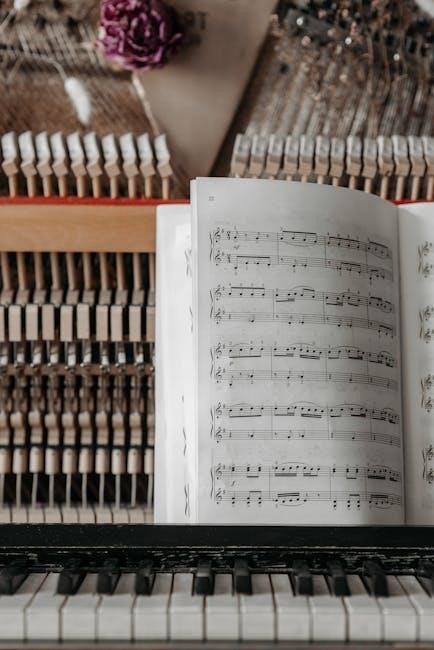
Decoding rhythmic values is essential when interpreting “Silent Night” sheet music downloaded as a PDF. Rhythmic values dictate how long each note is held. Common values include whole notes, half notes, quarter notes, and eighth notes, each representing a decreasing duration of time. A whole note receives four beats, a half note two, a quarter note one, and an eighth note half a beat.
“Silent Night” often features a simple, flowing rhythm. Pay close attention to rests, indicating silence. Understanding time signatures (like 4/4) reveals how many beats are in each measure. Practice counting rhythms aloud while looking at the sheet music. Accurate rhythmic interpretation brings the carol’s peaceful melody to life, ensuring a harmonious performance.
Dynamics and Articulation
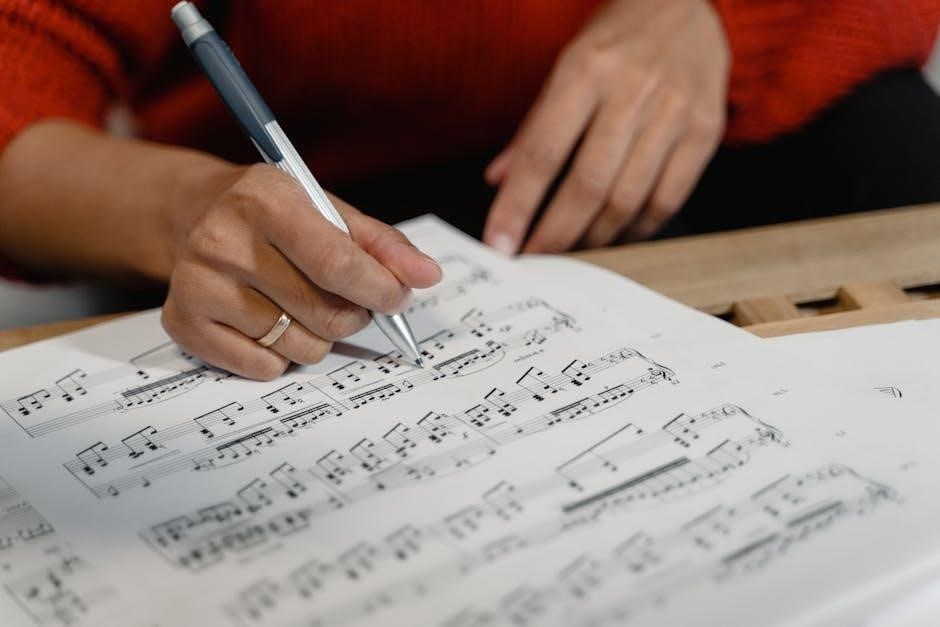
Interpreting dynamics and articulation markings within your “Silent Night” PDF sheet music significantly enhances expression. Dynamics, indicated by symbols like p (piano – soft) and f (forte – loud), control volume. Gradual changes are shown with crescendo (increasing) and diminuendo (decreasing) signs. Articulation markings, such as staccato (short, detached notes) and legato (smooth, connected notes), shape the phrasing.
“Silent Night” benefits from subtle dynamic variation. A gentle, flowing legato style often suits the melody, while slight crescendos and diminuendos can emphasize emotional phrases. Pay attention to any slurs or ties, indicating connected notes. Mastering these nuances transforms a simple reading into a heartfelt and expressive performance, truly capturing the carol’s serene beauty.
Printing and Using Your PDF Sheet Music
Successfully utilizing your downloaded “Silent Night” PDF requires careful printing and preparation for optimal readability and a smooth playing experience.
Optimal Print Settings for Sheet Music
Achieving a high-quality print of your “Silent Night” sheet music PDF is crucial for comfortable reading and effective practice. When printing, select “Actual Size” or “100% scale” in your printer settings to avoid any distortion of the musical notation. Avoid “Fit to Page” as this will alter the intended size and potentially make notes unreadable.
Opt for a standard paper size – 8.5 x 11 inches (Letter) is generally ideal. Ensure your printer’s quality is set to at least “Standard” or “Normal” for clear lines and notes. For black and white printing, verify sufficient ink levels to prevent faded markings. If possible, utilize a printer capable of duplex printing (printing on both sides) to conserve paper, though this isn’t essential.
Preview the print before finalizing to confirm everything appears correctly. Pay close attention to the staff lines, notes, and any dynamic markings. A test print of a single page can save ink and paper if adjustments are needed.
Paper Quality for Sheet Music
The type of paper you choose significantly impacts the readability and longevity of your printed “Silent Night” sheet music. While standard printer paper (20lb) is acceptable for casual use, a slightly heavier weight paper – around 24lb or 28lb – offers improved durability and reduces bleed-through if using pens for markings.
For frequent use or if you anticipate making numerous annotations, consider investing in dedicated sheet music paper. This paper is typically brighter white, providing better contrast for the notes, and is designed to withstand repeated handling. Avoid glossy paper, as it can create glare and make reading difficult under certain lighting conditions.
Acid-free paper is a worthwhile investment for archival purposes, preventing yellowing and deterioration over time. Ultimately, the best paper balances cost, readability, and durability to suit your individual needs and playing style.
Tips for Reading Sheet Music While Playing
Successfully navigating “Silent Night” sheet music while playing requires focused practice and strategic techniques. Begin by slowly practicing sections, coordinating your eye movements with your fingers. Don’t look at your hands; train your eyes to anticipate the next note.
Use a metronome to build a steady tempo and improve rhythmic accuracy. Highlight or circle challenging passages to draw your attention to them during practice. Consider color-coding different sections or chords for easier recognition.
Break down complex rhythms into smaller, manageable units. Regularly scan ahead to prepare for upcoming notes and changes. Consistent practice will build muscle memory and improve your ability to read and play simultaneously, enhancing your enjoyment of this beautiful carol.
Southern New Hampshire University (SNHU) & Music Resources (Contextual Relevance)
SNHU provides accessible educational opportunities, mirroring the spirit of freely available resources like “Silent Night” sheet music PDFs, fostering a love for music.
SNHU’s Online Music Programs
Southern New Hampshire University (SNHU) offers a diverse range of online music programs designed to cater to aspiring musicians and music enthusiasts alike. While a direct course on accessing free “Silent Night” sheet music PDFs isn’t available, SNHU’s programs cultivate the musical skills necessary to confidently utilize such resources.
Students can pursue Bachelor’s degrees in Music, focusing on areas like performance, songwriting, or music business. These programs emphasize practical application, theoretical understanding, and creative development. The flexibility of online learning allows students to balance their musical pursuits with other commitments. SNHU’s curriculum equips learners with the tools to not only read and interpret sheet music – including freely available PDFs like those for “Silent Night” – but also to analyze, arrange, and even compose their own musical pieces. The university’s commitment to career-focused education ensures graduates are prepared for success in the dynamic music industry.
SNHU Library Resources for Music Students
Although the SNHU Library doesn’t specifically curate a collection of free “Silent Night” sheet music PDFs, it provides invaluable resources for music students seeking to enhance their skills and knowledge. Access to extensive databases and research tools allows students to explore music theory, history, and performance practices.
Students can utilize the library’s resources to deepen their understanding of musical notation, enabling them to effectively interpret any sheet music they find online, including free PDFs. Librarians offer research assistance, guiding students towards credible sources and effective search strategies. Furthermore, the library provides access to scholarly articles, e-books, and streaming music, supporting comprehensive musical study. While not a direct source for the carol’s sheet music, the SNHU Library empowers students to become proficient musicians capable of utilizing various resources.
SNHU’s Commitment to Accessible Education (Relating to Free Resources)
Southern New Hampshire University champions accessible education, aligning with the spirit of freely available resources like “Silent Night” sheet music PDFs. SNHU strives to remove barriers to learning, offering affordable tuition and flexible online programs. This commitment extends to recognizing the value of open educational resources and the importance of readily available learning materials.
While SNHU doesn’t directly provide these PDFs, its ethos supports students utilizing legal and ethical free resources to pursue their musical interests. The university’s focus on student success includes empowering learners to find and utilize tools that enhance their educational experience. This dedication to inclusivity and affordability mirrors the widespread desire for accessible musical resources, fostering a supportive learning environment for all.
Advanced Options: Beyond Basic Sheet Music
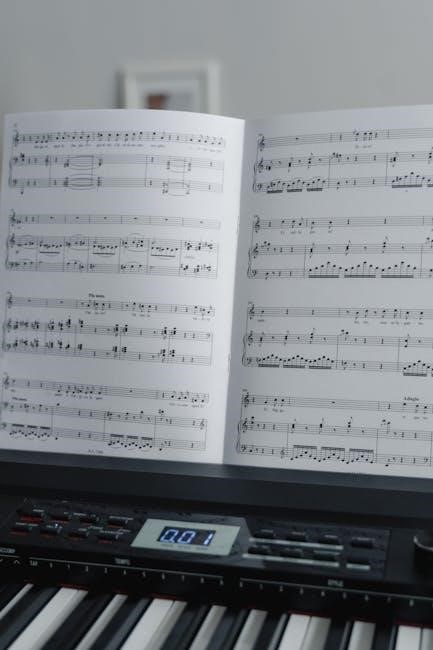
Explore intricate arrangements, instrumental variations, and even composing your own “Silent Night” adaptation, expanding beyond standard PDF sheet music offerings.
Arrangements and Variations of “Silent Night”
Beyond the standard arrangement, “Silent Night” lends itself beautifully to diverse musical interpretations. Numerous arrangements cater to varying skill levels and ensemble types, readily available as PDF downloads. Discover jazz harmonies, classical adaptations for string quartets, or even contemporary pop-style versions.
Many websites offer simplified piano arrangements for beginners, while others provide challenging transcriptions for advanced pianists. Guitarists can find fingerstyle arrangements, chord melody versions, or even tablature. Vocal arrangements extend beyond the traditional SATB choir format, including duets, trios, and solo arrangements with accompaniment.
Exploring these variations adds a fresh perspective to this timeless carol. Searching specifically for “Silent Night jazz arrangement PDF” or “Silent Night guitar tablature PDF” will yield targeted results. Don’t hesitate to experiment and find an arrangement that suits your musical preferences and abilities!
Finding Sheet Music for Specific Instruments
Locating “Silent Night” sheet music tailored to your instrument requires a focused search strategy. While piano and vocal arrangements are most prevalent, resources exist for nearly every instrument. For guitarists, websites specializing in tablature often host free “Silent Night” tabs in PDF format.
String players can find arrangements for violin, cello, or even entire string ensembles through dedicated sheet music repositories. Brass and woodwind players should search for arrangements specifically transposed for their instrument – for example, “Silent Night trumpet sheet music PDF.”
Don’t overlook instrument-specific forums and online communities; musicians frequently share arrangements they’ve created or discovered. Utilizing precise search terms, like “Silent Night flute PDF” or “Silent Night clarinet sheet music free,” will significantly refine your results and save valuable time.
Creating Your Own Arrangement
For musicians seeking a unique challenge, arranging “Silent Night” offers a rewarding creative outlet. Starting with a basic piano or vocal score provides a solid harmonic foundation. Consider adapting the melody for a different instrument, experimenting with altered harmonies, or adding countermelodies to enrich the texture.
Music notation software, both free and paid, simplifies the process of writing down your arrangement. Even basic software allows you to input notes, adjust dynamics, and create a professional-looking score. Don’t be afraid to experiment with different voicings and instrumentation.
Sharing your arrangement online can connect you with other musicians and receive valuable feedback. Remember to respect copyright laws when distributing your work, especially if based on existing arrangements.
Resources for Learning to Play “Silent Night”
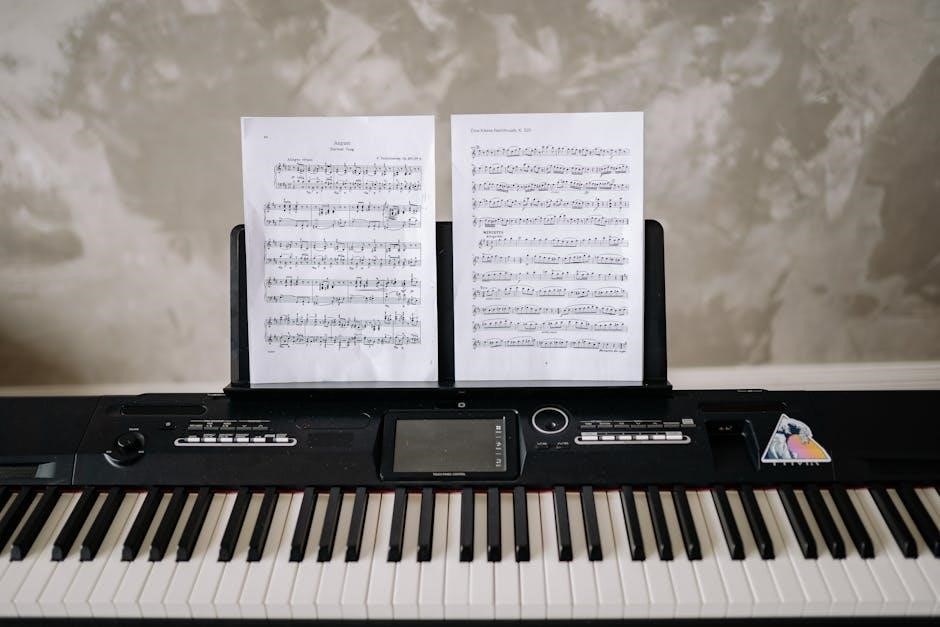
Numerous online tutorials, apps, and local music teachers can assist in mastering “Silent Night,” catering to diverse learning styles and skill levels.
Online Tutorials and Lessons
A wealth of online resources exists to guide musicians through learning “Silent Night.” YouTube is brimming with piano tutorials, ranging from beginner-friendly step-by-step instructions to more advanced arrangements. Many channels offer slowed-down versions and visual aids, making complex passages easier to grasp.
For guitarists, websites like JustinGuitar.com provide comprehensive lessons, often including chord charts and strumming patterns specifically for carols like “Silent Night.” Similarly, vocalists can benefit from online singing lessons focusing on breath control, phrasing, and proper pronunciation.
Platforms like Flowkey and Skoove offer interactive piano lessons, providing real-time feedback as you play. These resources often include “Silent Night” in their repertoire. Don’t overlook the potential of free sheet music websites coupled with these tutorials – a powerful combination for self-directed learning!
Apps for Learning Piano/Guitar/Voice
Numerous mobile applications cater to aspiring musicians, offering convenient and interactive learning experiences for “Silent Night” and beyond. Simply Piano is a popular choice for beginners, providing gamified lessons and real-time feedback on piano playing. Yousician functions similarly, supporting both piano and guitar with adaptive learning paths.
For guitar specifically, apps like Fender Play offer structured courses and song tutorials, potentially including simplified arrangements of “Silent Night.” Vocal training apps, such as Sing Sharp, help improve pitch accuracy and vocal range, beneficial for mastering the carol’s melody.
Many of these apps integrate with free sheet music PDFs, allowing you to follow along visually while learning. Utilizing these tools alongside downloaded sheet music can accelerate your progress and make learning more enjoyable.
Local Music Teachers and Classes
While free “Silent Night” sheet music PDFs offer a starting point, personalized instruction from local music teachers can significantly enhance your learning journey. A qualified piano, guitar, or vocal instructor can provide tailored feedback, correct technique flaws, and guide you through challenging passages.
Community music schools and private studios often offer introductory classes for all ages and skill levels. These classes provide a structured learning environment and opportunities to collaborate with other musicians. Searching online directories or contacting local music stores can help you find qualified teachers in your area.
Supplementing your self-study with lessons ensures a solid foundation and accelerates your progress in mastering “Silent Night” and other musical pieces.